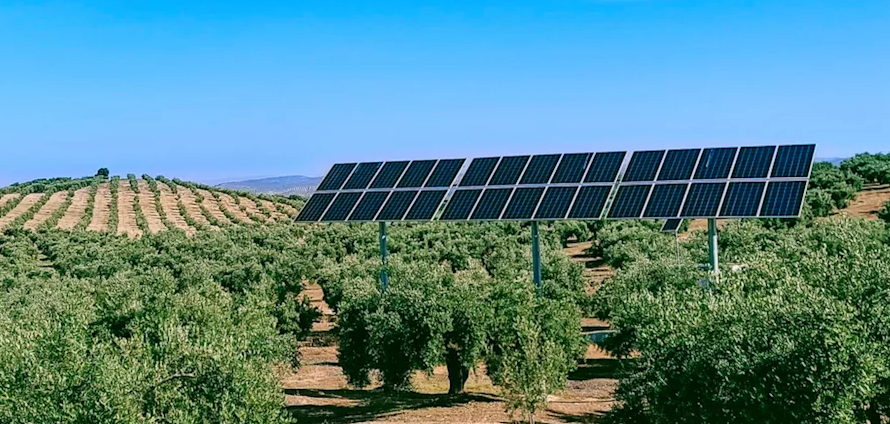
About Our Solar Estate Philosophy
The initiative is driven by engineers, irrigation specialists, and hospitality consultants who share a common objective: helping rural landowners transform sunlight into dependable infrastructure while keeping the soul of the countryside intact.
We have spent years studying how olive groves, mixed orchards, and small agro‑villages consume water and electricity at different times of the day and year—from early‑season irrigation surges to late‑summer guest arrivals—so that solar designs can follow real‑world behavior instead of theoretical charts.
Our methodology blends technical calculation with on‑site observation; we walk the terraces, examine the slope, listen to local stories about wells and previous power issues, and use that context to shape both array placement and control strategies.
Collaboration with local contractors and craftspeople allows us to integrate equipment houses, pergolas, and cabling routes into existing architecture, whether that means adapting to stone barns, modern villas, or simple farm sheds.
We also place strong emphasis on documentation and training: every project receives clear diagrams, operating guides, and handover sessions so that owners, caretakers, and visiting technicians can maintain confidence in the system’s behavior long after installation is complete.
Beyond irrigation and lodging, we explore complementary uses of solar power around rural estates—charging stations for light utility vehicles, refrigeration for harvested produce, low‑impact processing equipment, and ambient lighting for cultural events or seasonal markets.
This holistic mindset ensures that investment in solar infrastructure unlocks multiple benefits: healthier crops through reliable water delivery, lower operating costs compared to diesel or grid dependency, and a stronger narrative for guests who increasingly value environmentally conscious travel.
With a base in the Peloponnese region and partners across agricultural communities, our team remains close to the realities of terrain, weather, and rural logistics, adapting designs as practices evolve and new technologies emerge.
Each estate is treated as a unique canvas where technical performance, landscape heritage, and visitor comfort must coexist gracefully, turning solar energy from a hidden utility into an appreciated feature of everyday life on the land.